
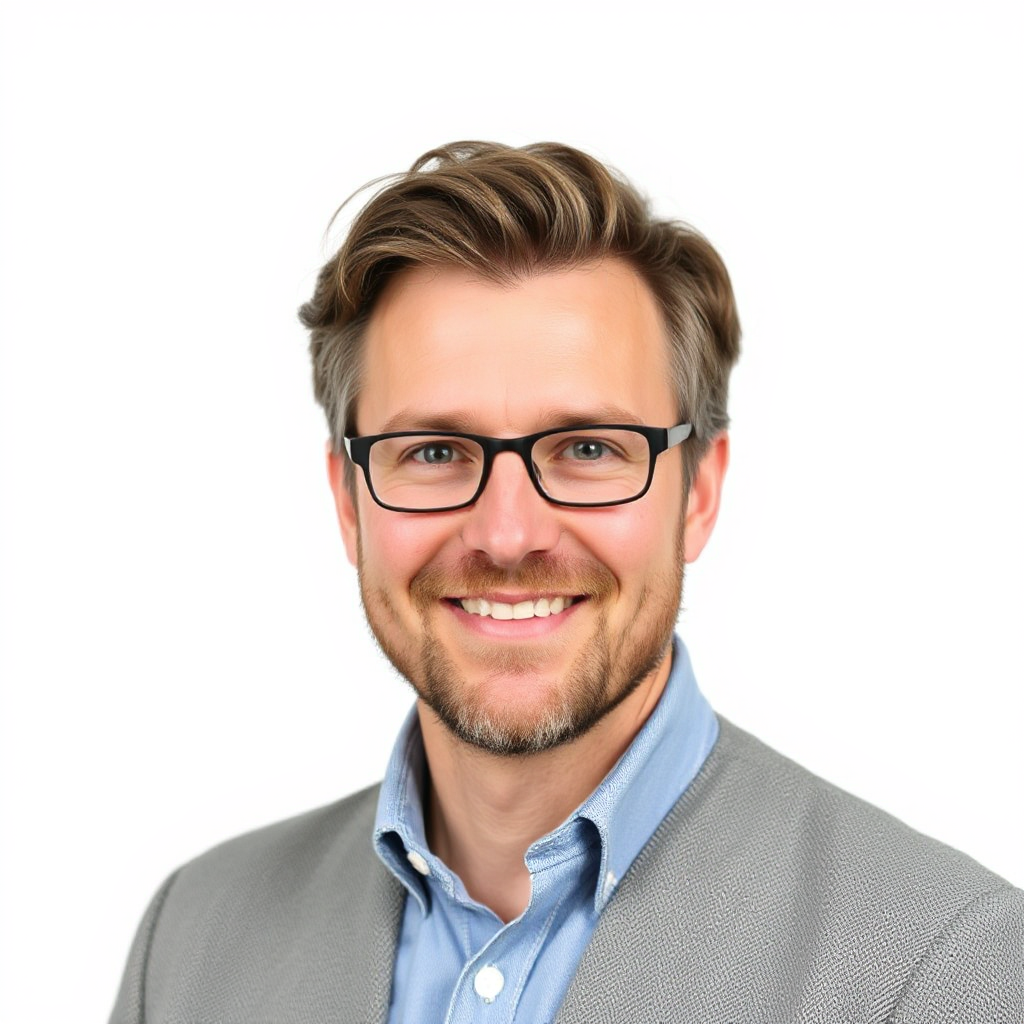
The late US VP Dick Cheney, who has died at the age of 84, was considered one of the most powerful occupants of that office in US history. While many vice-presidents were confined to minor or ceremonial functions, Cheney exercised huge sway during the presidency of George W Bush, so much so that he was often referred to as the "actual president".
Bush objected to this portrayal and said the connection was more complicated. He observed that Cheney was respectful, invariably calling him in official appearances as President, while he addressed him as Dick. Bush questioned even characterisations of their association as a team because it indicated that they were equals. In spite of these objections, Cheney considered the easygoing president accommodating on a whole raft of governmental choices.
A Aftermath of 9/11
Leading of a group of neo-cons that included defence secretary Donald Rumsfeld and deputy defence secretary Paul Wolfowitz, he strongly advocated the military intervention of Iraq in 2003 in reaction to the 9/11 attacks on New York and Washington. During of the 9/11 assault, Bush had been participating in a session at a school in Florida. As Bush traveled to a secure location in Nebraska, Cheney took charge, directing the shooting down of any unidentified airplanes heading toward the US Capitol.
Cheney claimed the attacks transformed him, leading him to become determined on revenge. Along with other neo-conservatives, including Rumsfeld and Wolfowitz, he campaigned for a occupation of Afghanistan in an endeavor to capture Osama bin Laden. Cheney then vigorously pushed for the armed intervention of Iraq, though there was insufficient indication of Saddam Hussein playing a role.
Controversial Actions
He expressed no regrets about the invasion, in which an reckoned 100,000 Iraqis died, nor about the harsh treatment of individuals rounded up after 9/11. He stated to CNN in 2015 that the Iraq invasion, which was based on misleading intelligence repeated by Cheney, was the right decision. "It proved to be the proper decision to do at that time. I believed it then and I believe it presently."
However even at the time, there were dissenting voices at a senior level about the poor management of Iraq. One of the government's own delegates to the area, General Anthony Zinni (2001-03), was not reappointed from the position. "I saw, at the very least," he wrote later "clear negligence, carelessness, and recklessness: at worst, lying, incompetence, and graft."
Additional Factors
Cheney was not solely responsible for the Iraq military action. Even before 9/11, Wolfowitz had pushed for similar measures. He had written a memorandum detailing situations in which US concerns might be endangered (encompassing "availability of essential resources, mainly Persian Gulf oil"). Wolfowitz had contended that "the US should be positioned to operate alone when collective action cannot be orchestrated," explicitly mentioning military moves against Iraq.
Bush also had entered the Oval Office generally inclined on executing what his predecessor had notably declined to do in 1991; overthrow Saddam. After he had been dismissed by the White House, the treasury secretary Paul O'Neill revealed how, at the first meeting of the National Security Council in January 2001, Bush had announced his intention of diminishing America's participation in the regional tensions and proposed military action against Iraq.
Bush held a private grievance against Saddam, believing he had been involved in a conspiracy to murder his predecessor, President George HW Bush, on a visit to Kuwait in 1993. He furthermore resented that one of the largest accommodations in Baghdad had a ground design with a portrait of his father's visage that everyone had to step on.
Investigation Approaches
However it was Cheney who was one of the most vehement advocating attacking Iraq, repeatedly citing agency briefings that were either weak or completely deceptive. He backed what the Bush government indirectly described as "advanced techniques", the use of waterboarding and physical pressure.
Answering a Senate report in 2014 that determined that no useful information had come from the torture, Cheney dismissed the findings as "riddled with crap". He stated to Fox News: "We requested [the CIA] to establish protocols and put in place programmes to catch the bastards who murdered 3,000 of us on 9/11 and guarantee it was not repeated. That's exactly what they did and they earn a lot of credit."
Public Persona
Cheney reveled in labels imposed on him by critics such as the Star Wars villain and The Prince of Darkness, and by the notion that he was a dark force directing Bush. In Peter Baker's 2013 book about the two, Days of Fire: Bush and Cheney in the White House, Cheney is reported as stating: "Do I represent the sinister strategist in the corner that remains unseen leave his domain? It's a advantageous way to work, actually."
Business Interests
Controversy over his business interests pursued him through his period as vice-president. Although he had limited background in business but strong connections in defence, notably in Saudi Arabia, he was invited to join Halliburton, one of the world's most substantial oil and gas conglomerates, in 1995 as chairman and chief executive.
In 2000 he assumed the role of Bush's VP candidate for the executive branch. Contentiously, during the military campaign, Halliburton was given US deals valued at substantial sums.
It greatly increased his wealth. His yearly compensation during his tenure at the company grew from his quarter-million dollars when he was military head to over four million. When he departed in 2000 he had a compensation package valued at in excess of $20m|twenty

